-

What Mindfulness Does to the Default Mode Network — and Why That Matters for Stress
Mindfulness meditation deactivates the default mode network — the brain’s ambient threat-monitoring loop that keeps cortisol elevated between stressors. Here’s the neuroscience of how present-moment attention quietens the ANS at its source.
-

Why Your Nervous System Can’t Tell the Difference Between What You Imagine and What You Experience
Guided visualisation meditation produces measurable ANS responses because the brain can’t fully distinguish vivid imagery from real experience. Here’s the neuroscience of top-down parasympathetic activation through mental imagery.
-

What a Body Scan Meditation Actually Does to Your Nervous System
The body scan reaches your autonomic nervous system through interoception, default mode deactivation, and motor release — a pathway entirely different from breathwork. Here’s the science behind why systematic attention through the body produces such a distinct ANS shift.
-
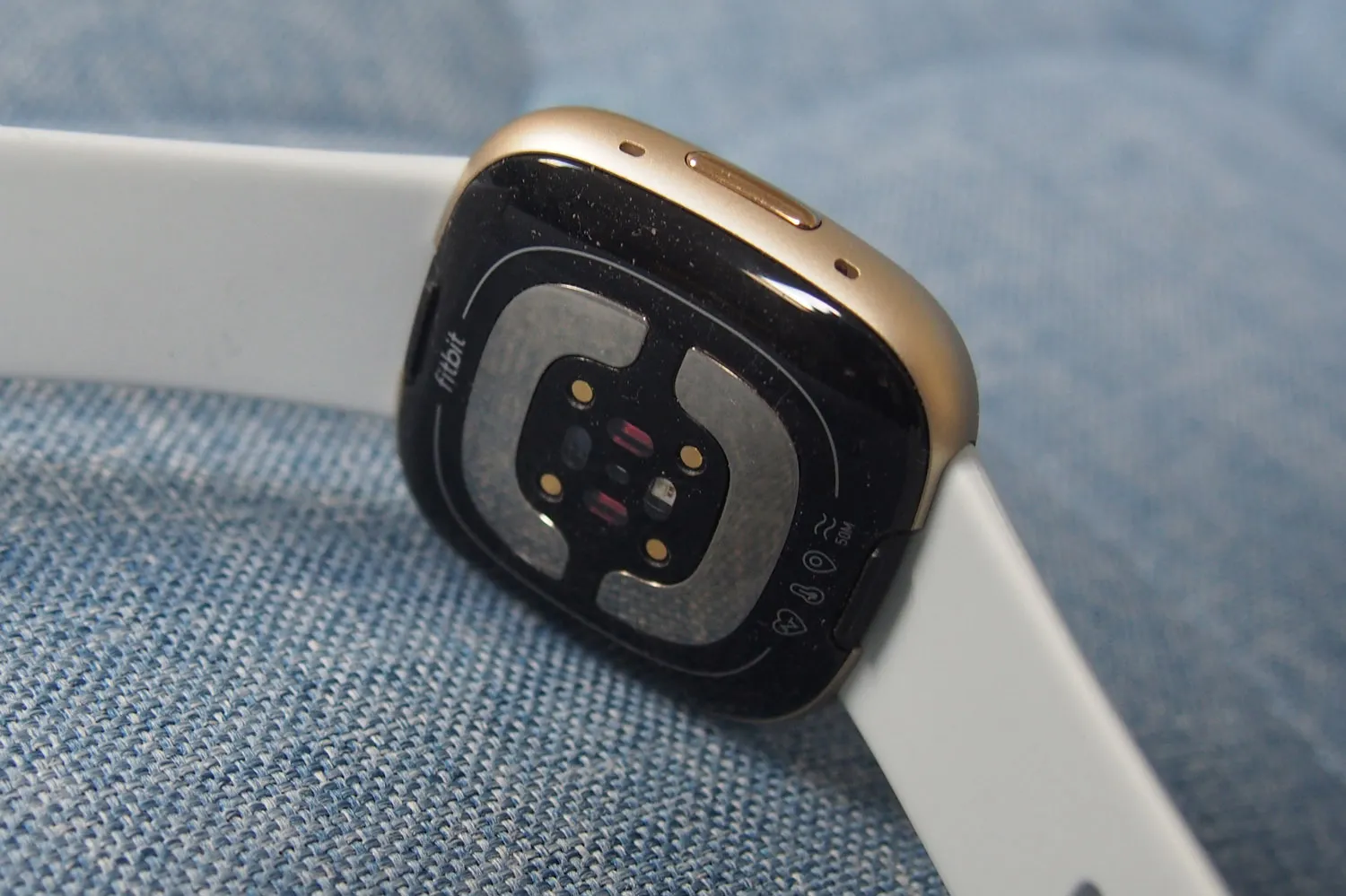
Beyond the Pulse: What Fitbit’s ECG Sensor Actually Reads — and What It Can’t
Fitbit’s ECG sensor records the electrical signal of your heartbeat — not just blood flow. Here’s how the ECG app detects AFib with 98.7% accuracy, which models carry it, and what the electrical trace reveals about your autonomic nervous system.
-
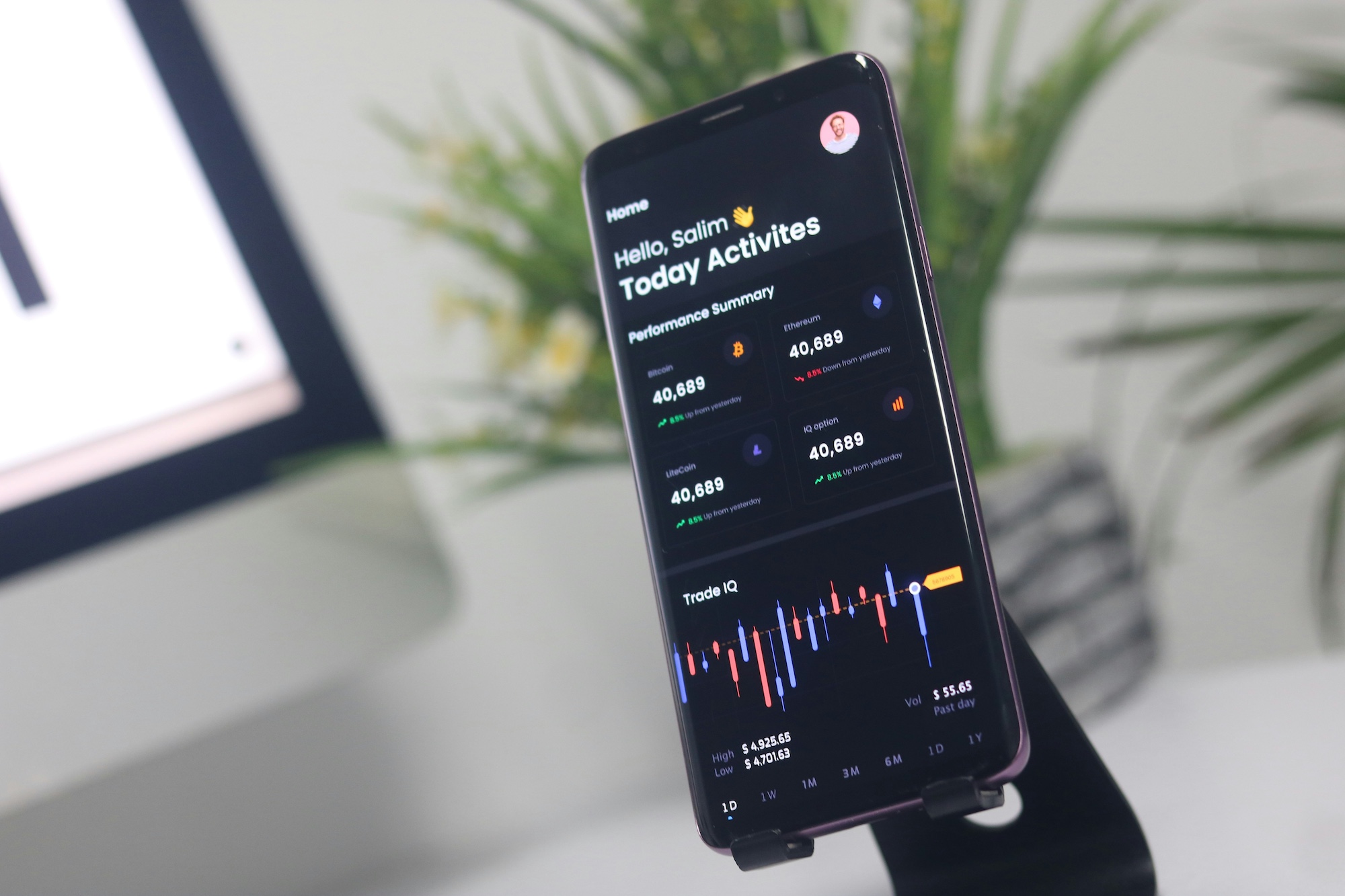
Your product gives users data. The best products give them something they feel
Most digital products track users. The ones that retain them feel like they know them. Here’s why digital wellness product engagement stalls without a nervous system layer — and how adaptive content changes the equation.
-
Inside the Number: How Wearables Actually Calculate Your Stress Score
Every wearable stress score starts with HRV — but Oura, Whoop, Garmin, Fitbit, and Apple Watch each calculate it differently. Here’s exactly what methodology sits behind the number on your device each morning.
-
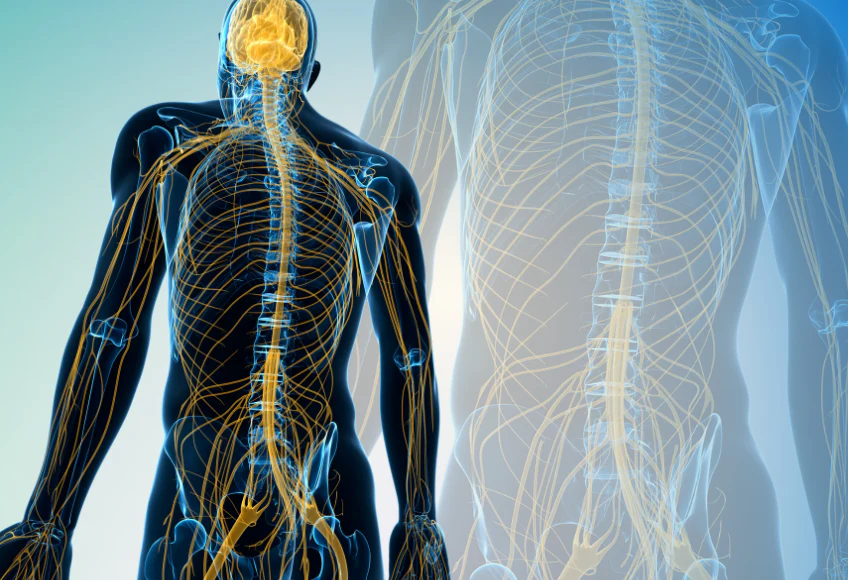
The Exhale That Activates Your Vagus Nerve
Every time someone tells you to take a breath when you’re stressed, they mean well, but they’re leaving out the most important half. The inhale is the windup. The exhale is the pitch — the moment when your nervous system actually shifts gears. Understanding why changes everything about how you breathe on purpose. The Heart…
-
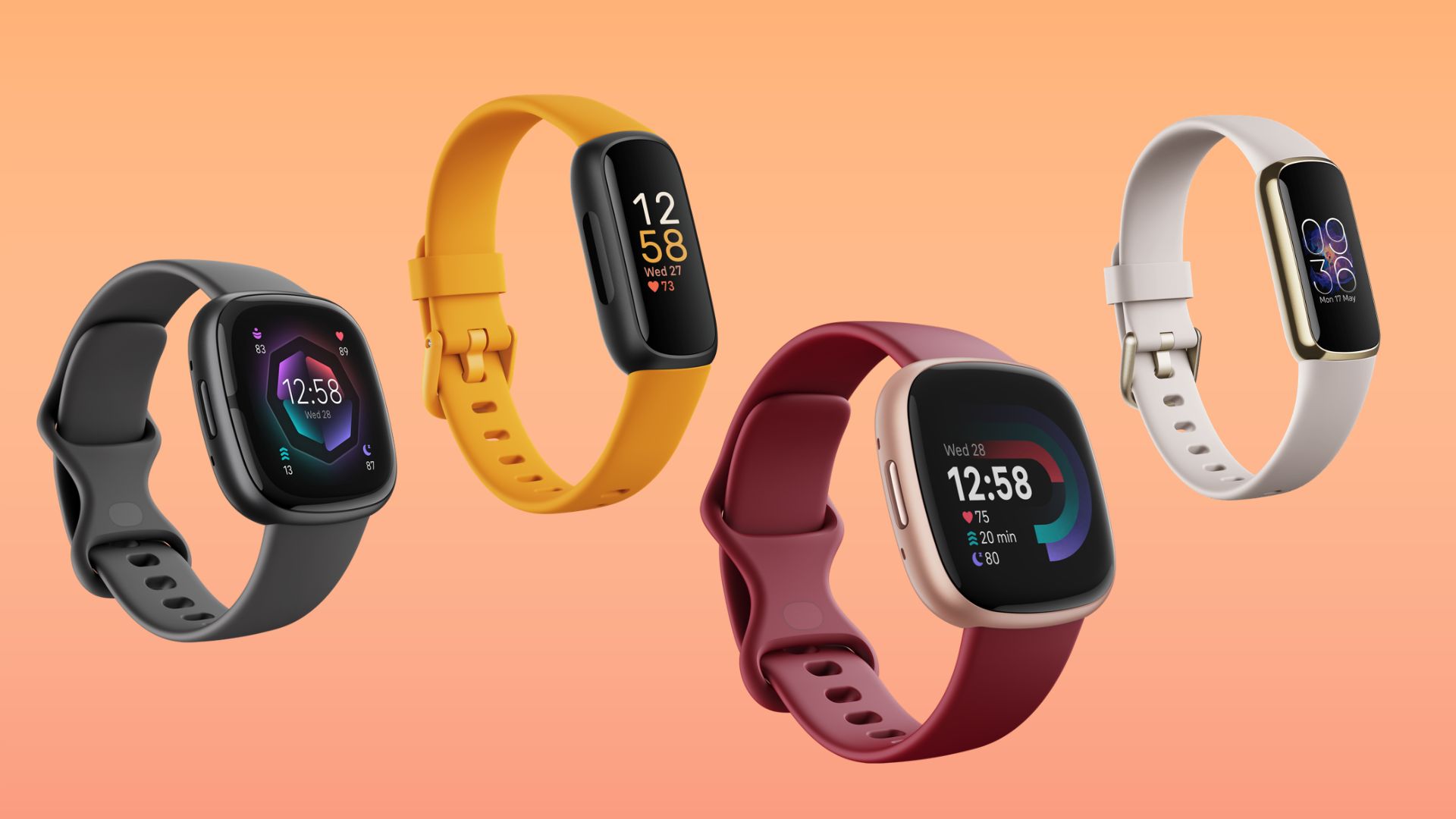
Fitbit and Your Nervous System: What It Does Well, and Where It Falls Short
The Fitbit wearable nervous system tracking story begins with the right framing. Fitbit does not position itself as a clinical instrument — it positions itself as the most accessible entry point into biometric self-awareness. Where the Fitbit nervous system data holds up Sleep and wake detection is Fitbit’s strongest suit. Modern Fitbit devices combine accelerometer…
-
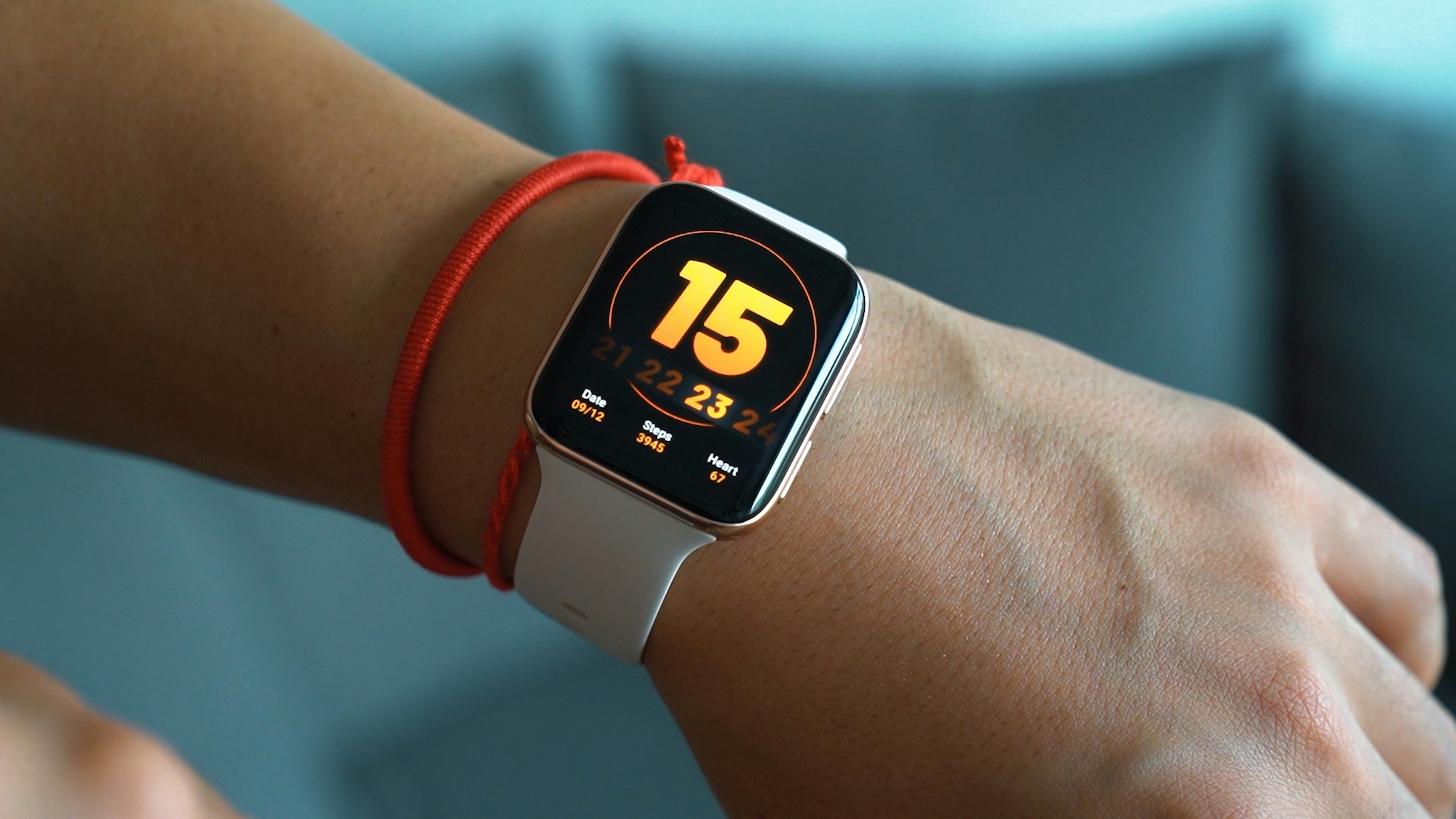
Five Things Your Wearable Stress Score Isn’t Telling You
Your wearable stress score does something genuinely useful — it tracks your autonomic nervous system’s response to physiological load overnight. But wearable stress score accuracy has a hard limit: the device reads the body’s sympathetic signal without knowing what triggered it. Why wearable stress score accuracy breaks down in real life Lab studies consistently show…
-
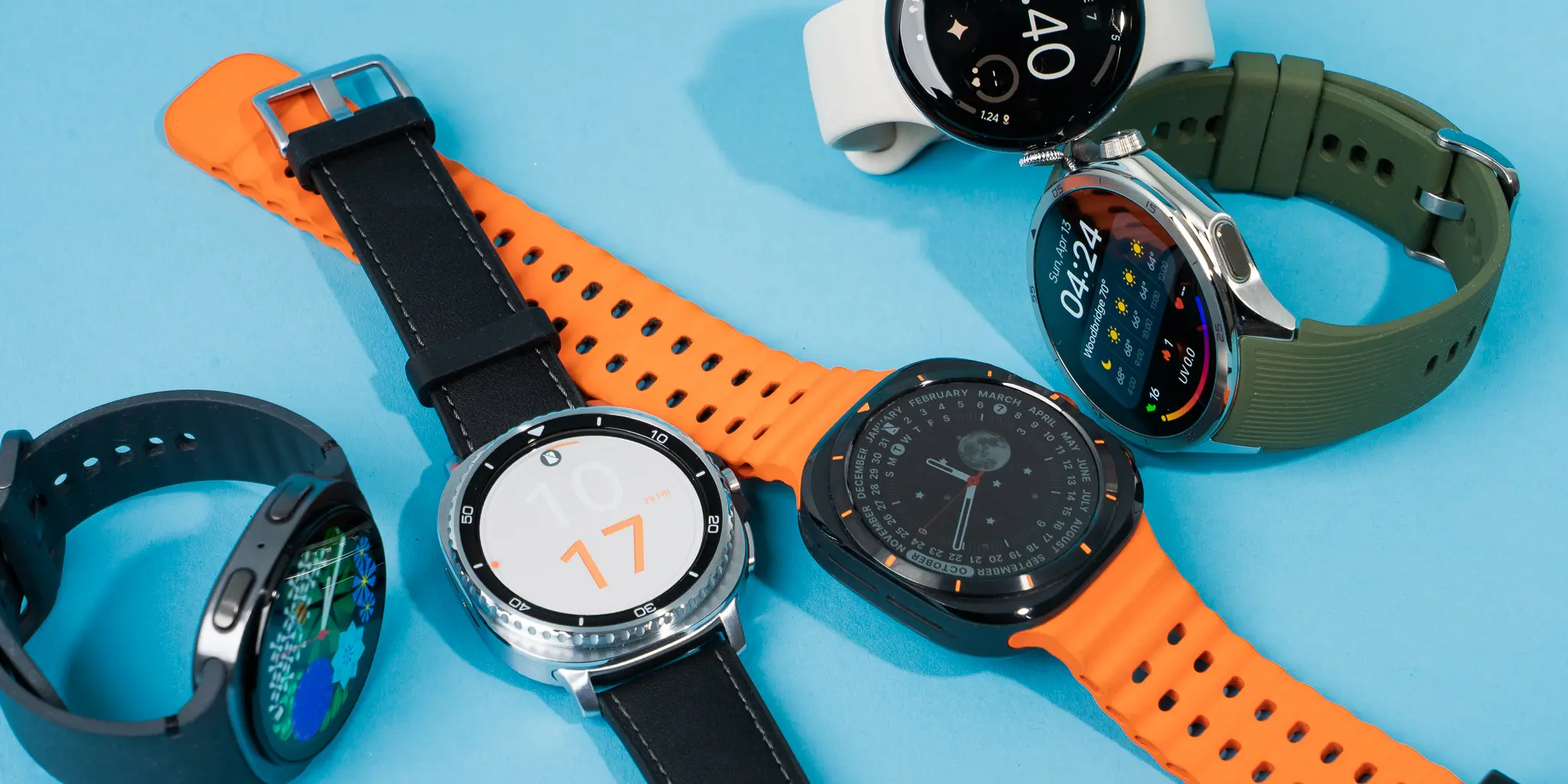
Oura vs Whoop vs Garmin: which reads your nervous system most accurately?
Choosing the best wearable for HRV accuracy isn’t just a spec question. The answer depends on when you’re measuring, how hard you train, and what you’re actually trying to learn. The best wearable for HRV accuracy is not the one with the most features — it’s the one that measures in the right place, at…
-
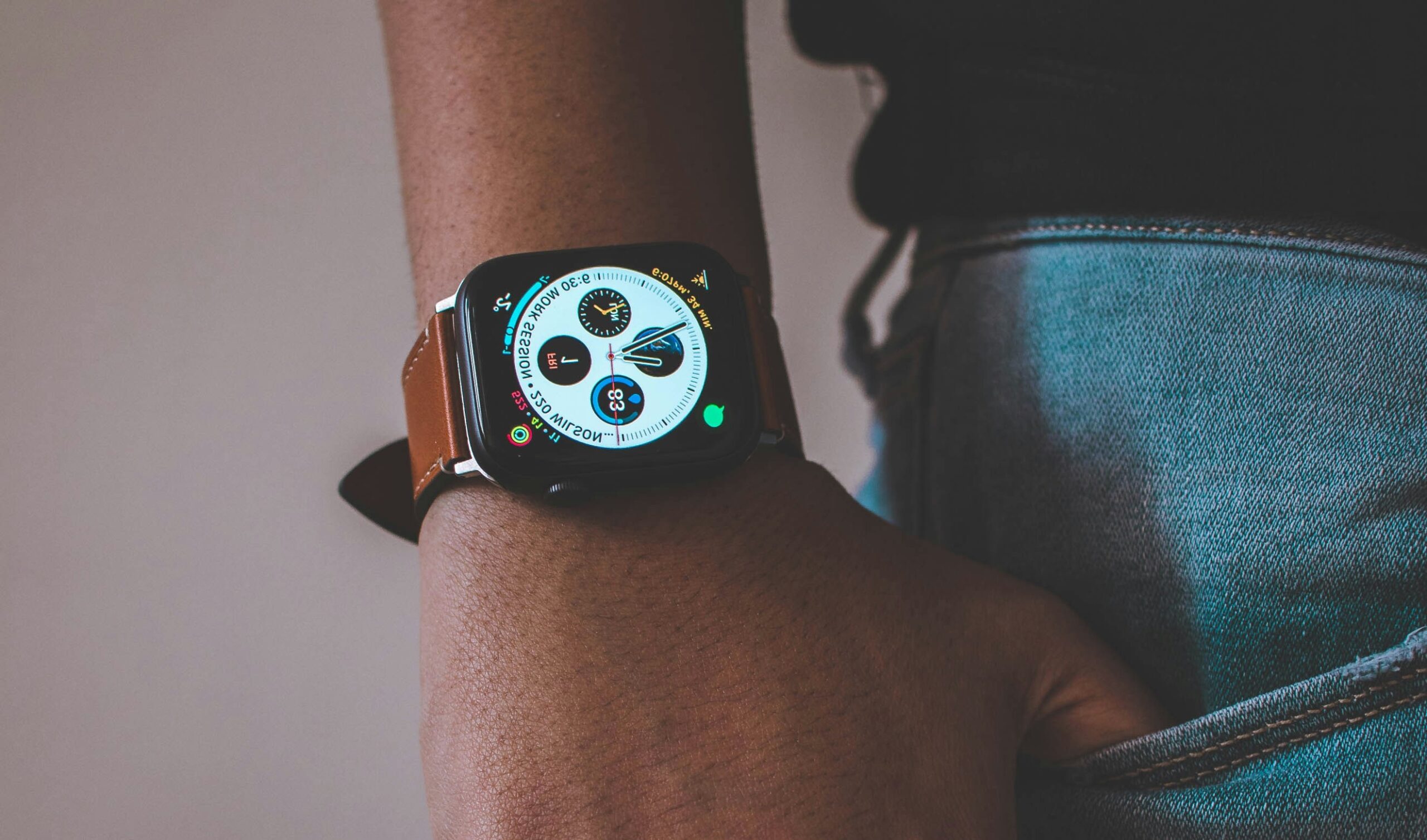
What wearables can and can’t tell you about your nervous system
Your device is reading your body every night. Understanding what the wearable HRV number actually means — and where it falls short — is what turns data into something useful. Wearable HRV data is one of the most useful windows into nervous system health that has ever been accessible to everyday people — and one…
-

Breathwork for anxiety: how your exhale resets the nervous system
Of all the levers into your autonomic nervous system, the out-breath is the only one you were born holding. Here is what happens when you learn to use it. Breathwork for anxiety is one of the most precisely understood tools in nervous system regulation — and the mechanism is more direct than most people realise.…
-

Stress is not the enemy — being stuck in it is
The sympathetic nervous system was never designed to stay on. The problem isn’t that it fires — it’s that most of us never let it finish. The stress response is one of the body’s most sophisticated pieces of engineering. Within seconds of a perceived threat, the hypothalamus fires a cascade through the autonomic nervous system…
-

Ten minutes a day: what consistent meditation actually does to your ANS
The question isn’t whether meditation works. It’s whether the small, daily version works. The answer, it turns out, is yes — and the mechanism is more specific than most people realise. Most conversations about meditation either demand too much — the 45-minute morning ritual, the year-long retreat — or promise too little, treating short sessions…
-

Why your nervous system decides how well you sleep
Sleep isn’t something that happens to you. It’s something your nervous system has to be ready for — and the transition matters as much as the hours. You’ve done everything right. Eight hours in bed, phone across the room, blackout curtains drawn. And yet you wake up feeling like you barely rested. The hours were…