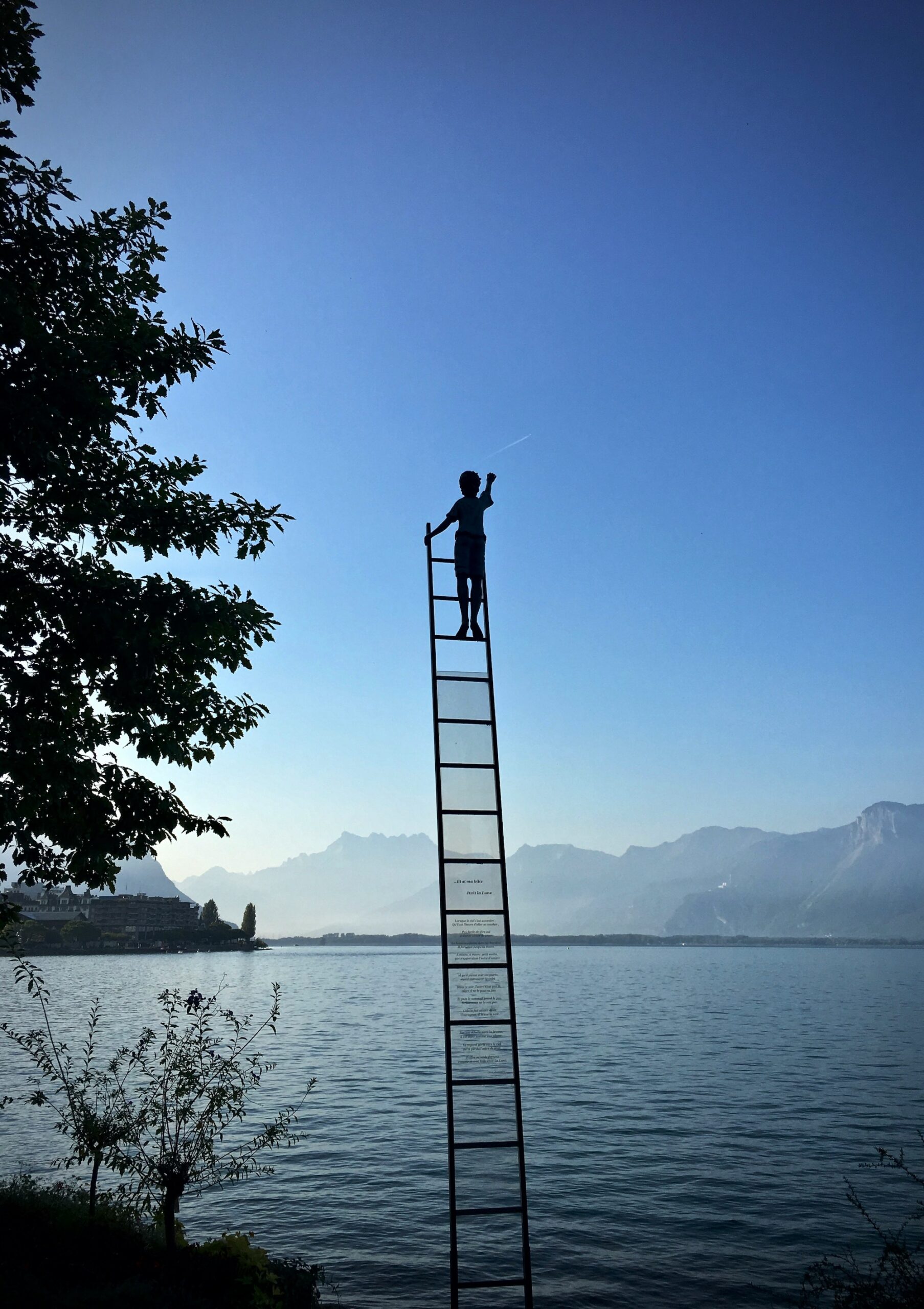
Guided visualisation meditation works because the brain treats vivid mental imagery as physiologically real — producing measurable autonomic nervous system responses from scenes that exist only in the mind.
The neuroscience behind guided visualisation’s effect on the nervous system
The mechanism runs through the prefrontal cortex and its regulatory relationship with the amygdala. When the prefrontal cortex constructs and holds a detailed, calm mental image, it exerts top-down inhibition over the amygdala’s threat-detection activity — the same suppression that occurs when genuine safety cues arrive from the environment. A landmark April 2026 study from UC San Diego, published in Communications Biology, found that seven days of meditation practice produced neural connectivity changes and immune system alterations comparable to those observed with psilocybin — with researchers noting that the whole-body scale of the effect reflects both central and systemic changes. Visualisation practices contributed to the imagery-rich meditation sessions measured in the study.
The autonomic response follows. When the threat signal from the amygdala reduces, the HPA axis receives less drive to produce cortisol, the sympathetic system’s background activation falls, and the vagus nerve reasserts parasympathetic tone. A 2024 PMC study on VR-based meditation — which uses immersive visual environments as a proxy for guided imagery — found significant improvements in ANS balance, sleep quality, and stress markers compared to controls. The visual environment carried the intervention. The nervous system responded as if the environment were real.
“Focusing inward or watching art and nature videos elicits positive emotions that can help heal stress-related conditions — the brain’s response to the imagined and the real share more than we assumed.” — Frontiers in Human Neuroscience, 2025
How visualisation differs from body scan as an ANS intervention
Where the body scan works bottom-up — anchoring attention in physical sensation to release muscular tension and quieten the default mode network — visualisation works top-down. It engages the prefrontal cortex to generate a mental environment that produces the desired autonomic state, rather than reading the body’s current state and releasing what it finds there. Both techniques produce parasympathetic shifts, but through opposite directional pathways.
This is precisely why MindSync uses visualisation at the parasympathetic end of the ANS scale — in a recovered, low-stress state, the brain has the cognitive capacity to sustain rich imagery, and the top-down prefrontal signal deepens and consolidates rest rather than initiating it from scratch. As we explored in The Switch Within, each meditation technique reaches the same destination through a different mechanism. Knowing which mechanism fits your current state is what makes the practice precise.
Leave a Reply