
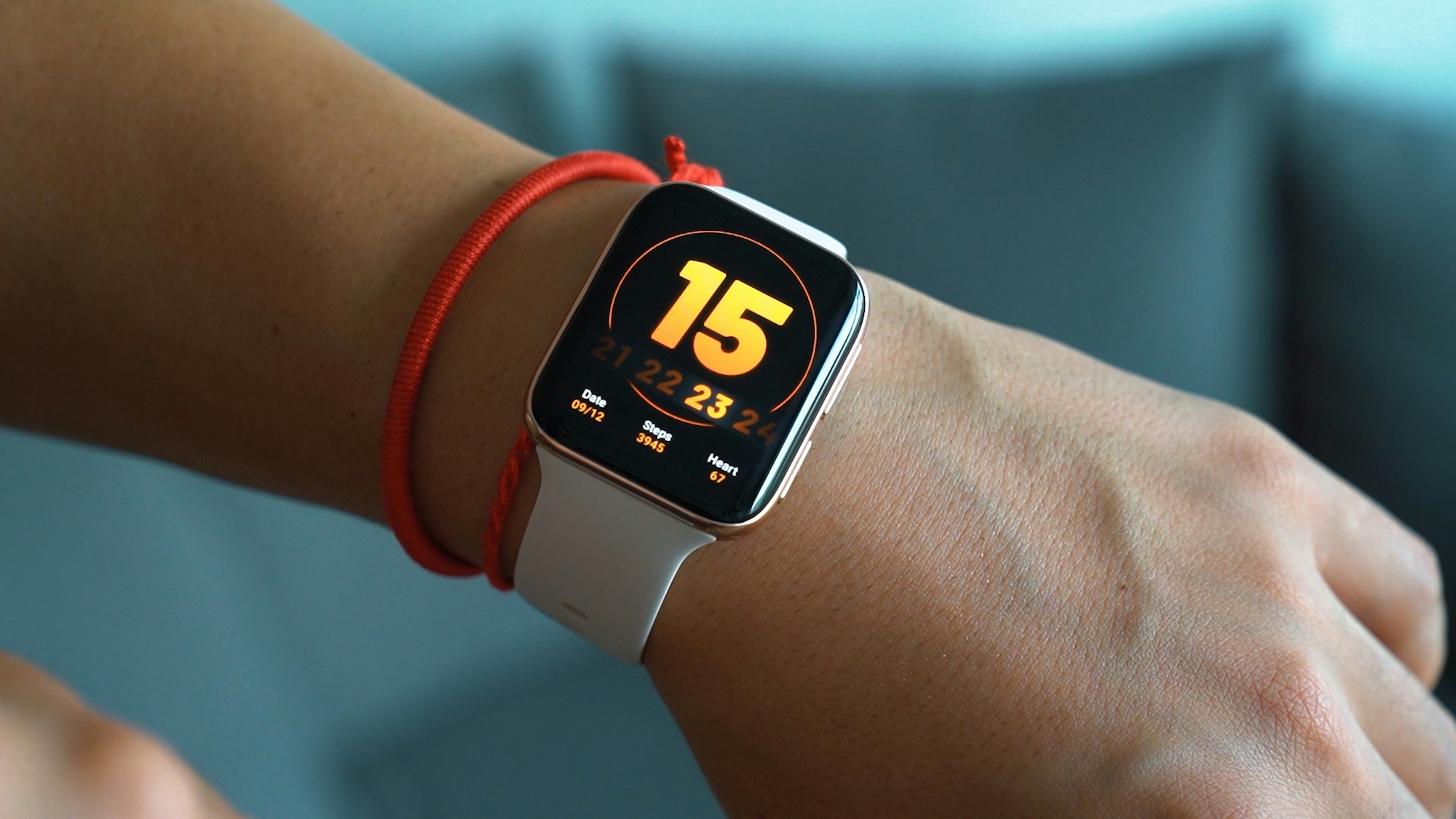
Your wearable stress score does something genuinely useful — it tracks your autonomic nervous system’s response to physiological load overnight. But wearable stress score accuracy has a hard limit: the device reads the body’s sympathetic signal without knowing what triggered it.
Why wearable stress score accuracy breaks down in real life
Lab studies consistently show HRV correlating with stress. Real-world data tells a more complicated story. A 2025 peer-reviewed study in Stress and Health tracking wearable stress scores against ECG reference measurements confirms that HRV reflects a complex, multifactorial signal — influenced by physical activity, respiration, hydration, and emotional arousal whether negative or positive. The authors found no clean separation between psychological stress and these competing physiological inputs in everyday wear.
As we covered in What Wearables Can and Can’t Tell You About Your Nervous System, HRV measures the balance between sympathetic and parasympathetic activity — not the cause of that balance. Five entirely different inputs can produce an identical low score. The device cannot tell them apart.
The five confounders:
01 — Alcohol from the night before. Even one drink suppresses HRV during sleep. Your device reads the sympathetic response but has no way to separate it from psychological stress.
02 — A hard workout yesterday. Muscle repair drives sympathetic activation overnight. A low recovery score after leg day isn’t burnout — it’s your body doing exactly what it should.
03 — Early illness (before symptoms appear). The immune response raises resting heart rate and suppresses HRV up to 48 hours before you feel sick. Your device detects physiological load, not its source.
04 — Hot sleep environment or fever. Elevated body temperature increases heart rate and disrupts autonomic balance. The score drops. The cause has nothing to do with your mental state.
05 — Poor sleep timing, not poor sleep quality. Going to bed two hours later than normal disrupts your circadian HRV pattern even if you sleep the same number of hours. The device sees a disrupted signal.
A large-scale JMIR Human Factors study monitoring 657 information workers across nine weeks found a significant but small real-world relationship between HRV and perceived stress — far weaker than laboratory studies suggested. Wearable-derived HRV alone, the researchers concluded, should serve as one component of understanding stress rather than a standalone proxy for it.
“The device detects physiological load. It cannot tell you what caused it. That interpretation belongs to you.”
How to read a low stress score without misreading your nervous system
The five confounders above share one feature: they all activate the sympathetic nervous system without involving psychological distress. A hard training session triggers muscle repair that drives sympathetic activity through the night. Alcohol from dinner suppresses vagal tone for hours. Early illness loads the immune system before a single symptom surfaces. A hot room raises heart rate autonomically. Late sleep disrupts the circadian pattern your device uses to calculate its baseline.
This matters because many people respond to a low score by cutting their training, skipping social plans, or adding stress-reduction practices they don’t need. As we explored in Stress Is Not the Enemy, the sympathetic response exists to serve a purpose — and suppressing it in response to a number misses the point entirely. The more useful habit is to note the score alongside context: what did you eat, how did you train, how late did you sleep, are you fighting something? That context transforms a confusing number into a genuinely actionable signal. The device provides the data. You provide the interpretation.