
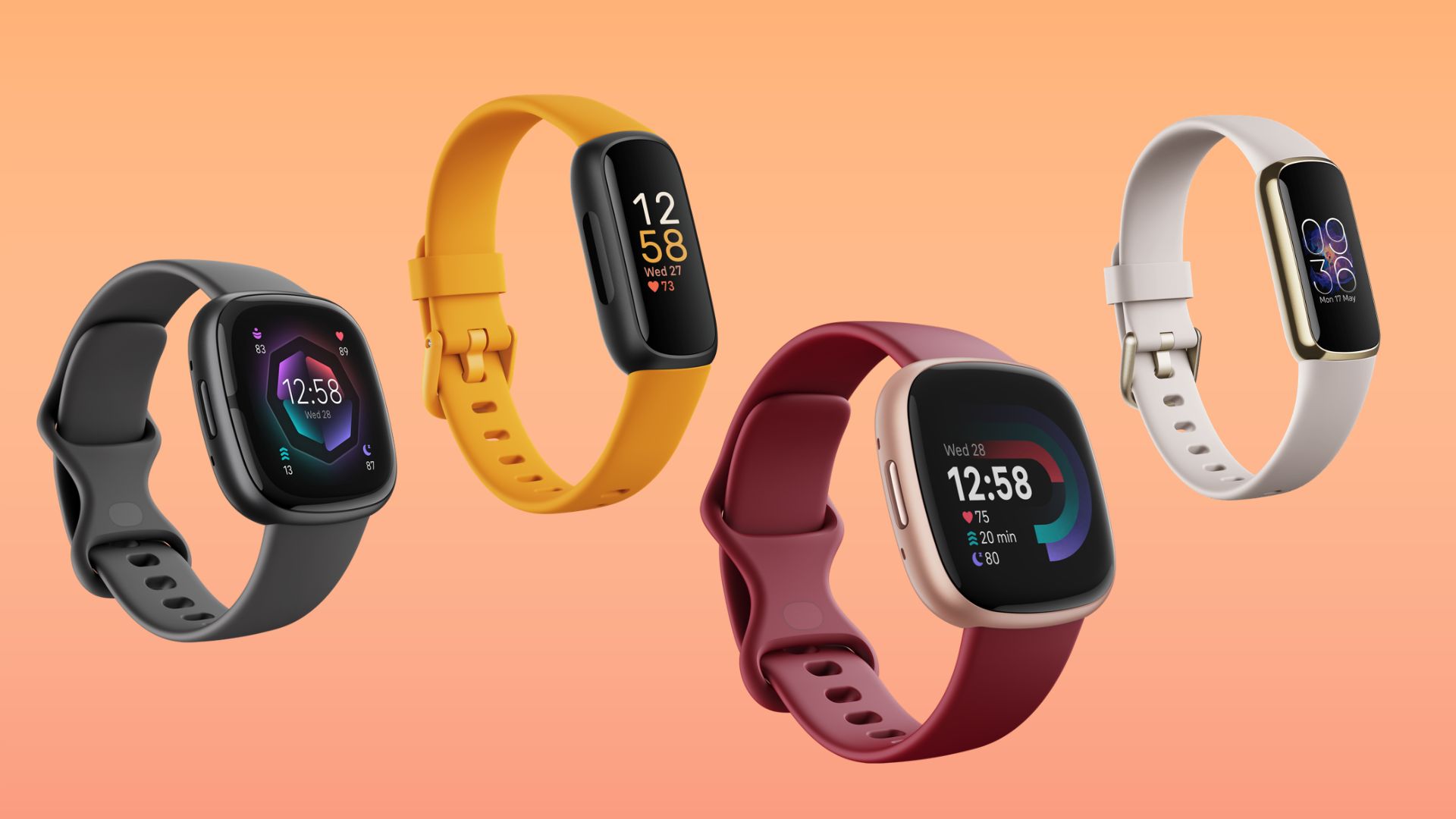
The Fitbit wearable nervous system tracking story begins with the right framing. Fitbit does not position itself as a clinical instrument — it positions itself as the most accessible entry point into biometric self-awareness.
Where the Fitbit nervous system data holds up
Sleep and wake detection is Fitbit’s strongest suit. Modern Fitbit devices combine accelerometer and PPG data through a machine-learning algorithm trained on 60 normal sleepers, achieving 95–96% sensitivity in detecting sleep epochs. A 2025 SLEEP Advances validation study comparing six wearables against polysomnography found the Fitbit Sense scored a Cohen’s kappa of 0.42 and Fitbit Charge 5 scored 0.41 — moderate accuracy the authors note makes both devices suitable for tracking prolonged changes in sleep architecture over time.
Overnight HRV trending also holds up better than the device’s price point might suggest. A pilot study published in PMC testing the Fitbit Versa 4 against a reference standard across 26 nights found accurate median nocturnal RMSSD values — even in participants with suspected autonomic dysfunction. Fitbit averages HRV across the full night rather than weighting specific sleep stages, which smooths out noise but also means it captures trends rather than precise moment-to-moment autonomic states. For monitoring whether your nervous system recovery moves up or down over weeks, that approach delivers usable signal.
“Fitbit offers 80% of the value at roughly 25% of the cost. The gap lies in precision — and whether you need precision depends entirely on what you are trying to learn.”
Where Fitbit falls short for deeper nervous system insight
Three limitations matter most for nervous system-focused users. First, Fitbit locks its detailed HRV breakdown behind the Premium subscription — without it, users see only a nightly RMSSD average. That average tells you the direction of your recovery, but it strips out the granularity that makes wearable data most actionable. Second, wrist-worn PPG produces more noise than finger-worn PPG: skin contact pressure, arm movement, and sweat all affect the signal, and Fitbit’s accuracy at peak exercise reflects this, with outlier rates of around 12%. Third, Fitbit provides no recovery coaching infrastructure — it reports the data but leaves the interpretation entirely to the user, without the guided readiness-to-train framing that Whoop builds around its scores.
These gaps are not reasons to avoid Fitbit — they are reasons to understand what you are buying. If you want a low-cost entry point to track sleep trends, overnight HRV direction, and daily activity, Fitbit delivers that reliably. As we explored in our full comparison of Oura, Whoop, and Garmin, the most accurate device is only useful if you understand the signal — and Fitbit, paired with that understanding, gives most people exactly what they need. The nervous system does not require a premium subscription to reveal its patterns. It requires consistency, context, and the willingness to read your data over weeks rather than days.